
LEAD GENERATION AGENCY HARNESSING THE POWER OF













Finally! The Google Ads agency you’ve been looking for
Experience the Lead Quality Leap, and more, with SMEketing, the Google Ads agency focused on turning your Google Ads into a high-performance lead generation machine.

Supercharge Your Pipeline
Leverage over 15 years of our Google Ads expertise with the 90-Day Google Ads Growth Generator. This bespoke strategy accelerates your lead generation, sales, and revenue, consistently delivering exceptional results tailored to your business needs. Delivered by a Google Partner.

The Lead Quality Leap
Redefine your business landscape with not only an increase in leads but an upgrade in their quality too. Our data-driven strategies don’t just improve your Google Ads – they boost your conversions and revenue.

Genuine Partnerships
Escape the cycle of poor Google Ads agency experiences. Enjoy a true partnership, marked by open communication, full transparency, and a shared vision for your success.

Smart Spend Strategy
Put your budget to better use. Our strategic campaigns employ data-driven optimisations, slicing through inefficiencies to slash your cost-per-lead. We don’t just handle your ad spend, we turn it into a powerhouse for growth.

Reclaim Your Time
Free up your time and energy. Trust in our promise to expertly manage your Google Ads while you concentrate on scaling your business

Transparent Reporting
We simplify success metrics. Receive clear, comprehensive end-of-month reports with key KPIs. Want to dive deeper? We’re just a call away, ready to walk you through your data, demystifying your results for maximum insight.
Book Your Online Meeting For Customised Google Ads Guidance
DISCOVER THE PATH TO OPTIMISED GOOGLE ADS PERFORMANCE.
-
In our typically 30-minute focused meeting, we’ll discuss your current Google Ads strategy and identify areas for improvement, focusing on efficiency and effectiveness.
-
You’ll get insights into our approach to enhancing your ads, tailored specifically to your business needs.
-
Expect practical advice and actionable steps that you can apply to refine your Google Ads campaigns.
By the end of our session, you’ll have a clearer understanding of how to maximise your Google Ads potential, whether you decide to work with us further or not.
The SMEketing 90-Day Google Ads Growth Generator
Experience Unprecedented Growth with Our 90-Day Google Ads Growth Generator.
Transform your leads, sales, and revenue trajectory with our comprehensive Google Ads management programme.

1. Initial Analysis
We kick off our journey with an in-depth review of your current strategy. Our eagle-eye assessment identifies existing strengths and highlights areas ripe for optimisation.
2. Strategic Blueprint
Our carefully devised strategic blueprint ensures your Google Ads are primed to deliver maximum return on investment. This roadmap is your key to unlocking new levels of profitability.


3. Result-Driven Execution
As we deploy your optimised ads, you’ll start witnessing the transformative power of SMEketing. Expect an influx of high-quality leads, an uptick in sales, or ideally, a combination of both.
4. Continuous Optimisation
Our journey doesn’t end with the initial success. Every 90 days, we reassess and refine your strategy to keep the momentum going. It’s a cycle of success – initial wins followed by consistent growth.

Start Your Journey With A Personalised Google Ads Strategy Session
DISCOVER THE TRANSFORMATIVE POWER OF EXPERTLY MANAGED GOOGLE ADS.
Latest Resources To Help Grow Your Google Ads

In the world of digital marketing, keyword research plays a crucial role in the success of your digital marketing campaigns. By understanding the importance of keyword research for Google Ads…

Google Ads is a powerful advertising platform that can greatly benefit B2C businesses. With its vast reach and sophisticated targeting options, Google Ads provides a valuable opportunity to connect with…

In today's digital era, establishing a strong online presence is essential for any business. Among the various digital marketing strategies, Google Ads stands out as a powerful platform for driving…
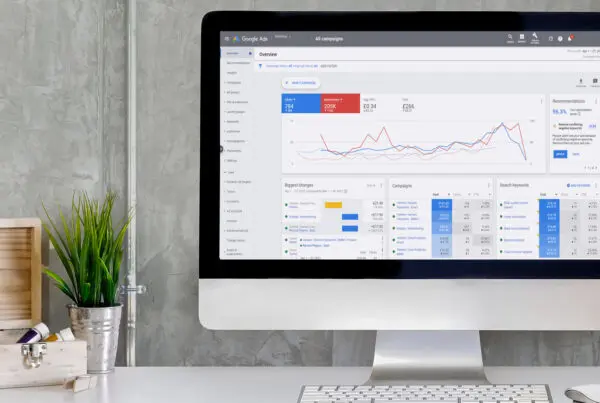
In today's competitive business environment, leveraging the power of Google Ads can provide a significant boost to your B2B marketing efforts. With a properly strategised and executed campaign, you can…

Ever wondered why your Google Ads aren't hitting the mark? Sometimes, it's not about what you're saying 'yes' to, but what you're saying 'no' to. This is where negative keywords…

In the dynamic world of digital marketing, understanding and leveraging sales funnels is crucial for success in Google Ads campaigns. As a seasoned Google Ads expert with over 15 years…